
The central topic of the meeting was the European health biotechnology package, the aim of which is to support the development and uptake of novel biotechnological medicines, treatment methods and health technologies in Europe. New biotechnological solutions may mean better cancer treatment, more precise tests, faster diagnosis or new opportunities for treating diseases for which there is still no good treatment today.
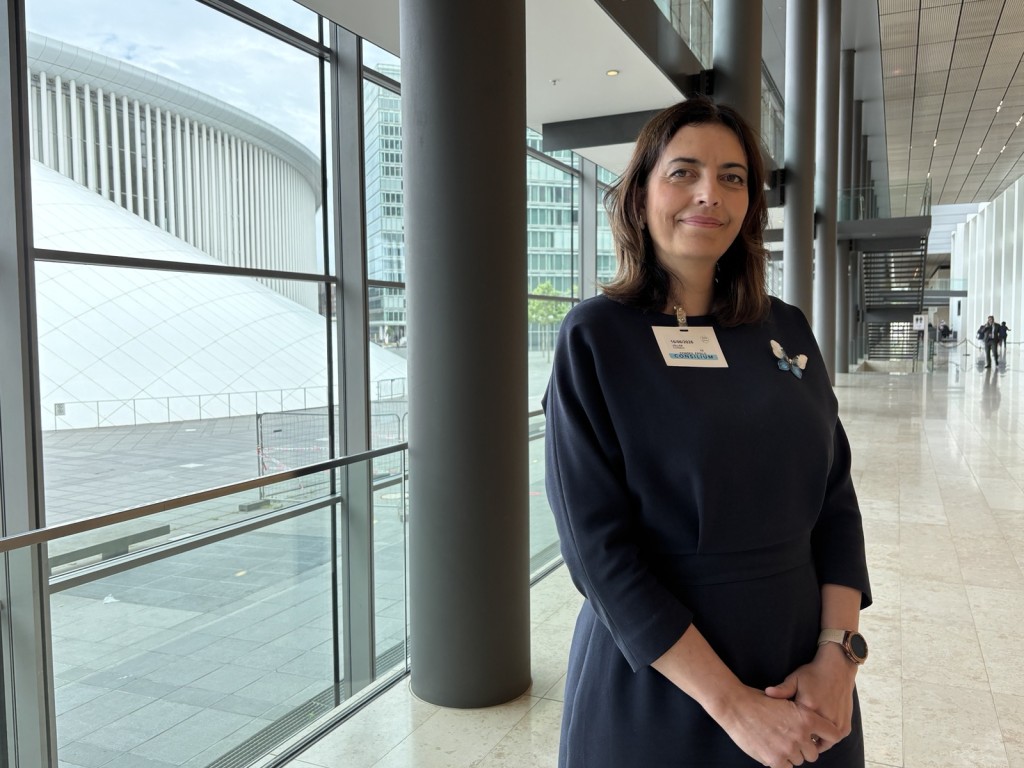
According to Karmen Joller, biological medicines are one of the greatest breakthroughs in medicine in recent decades, with an impact comparable to that of antibiotics and vaccines. She emphasised that supporting innovation must be balanced with the availability of medicines. The European Union should not establish rules that unjustifiably delay the market entry of new and more affordable biosimilar medicines compared with the original. Biosimilars are often approximately 30 percent cheaper than original medicines.
“When one medicine has had a very high price for years and the emergence of competition is hindered, difficult choices have to be made - whose treatment can be funded immediately and whose treatment must wait. Our aim is for new medicines to reach people faster,” Joller said. “When fair competition emerges in the medicines market, patients win. The price falls, availability improves and the healthcare system can provide more help for the same money.”
From Estonia’s perspective, a longer protection period may be granted to new medicines only when there is a clear reason for it. For example, if the medicine helps with a disease for which there has so far been no good treatment, or gives the patient a clearly better outcome compared with existing medicines. If additional protection is granted too easily and competition is hindered, the market entry of cheaper medicines is delayed.
The role of biological medicines is growing rapidly. In 2025, biological medicines accounted for nearly half of medicines registered in the European Union. Biological medicines have significantly improved treatment options for cancer, rheumatoid arthritis, inflammatory bowel diseases, psoriasis and several other serious diseases, and biosimilars help bring these effective medicines to a larger number of people.
Biosimilars are equivalent successors of biological medicines, i.e. medicines whose effect, safety and quality are comparable to the original medicine. In Europe, biosimilar competition is estimated to arise for only about 10 percent of innovative biological medicines.
At the meeting of health ministers, there will also be discussion of the need for clearer rules for new methods of processing organs intended for transplantation. For example, technologies have developed that make it possible to keep an organ intended for transplantation alive outside the body for longer and to better preserve its condition. In the future, this may increase the possibility that a suitable organ reaches the patient at the right time and in better condition.

