
Essential medicines include certain antibiotics, treatments for chronic illnesses such as insulin, as well as epilepsy, cancer and blood-pressure medicines, and antidotes – in total nearly 280 active substances.
During the COVID-19 pandemic, Europe faced shortages of antibiotics, especially paediatric formulations, as complications drove patient numbers sharply higher. Pharmaceutical companies typically prioritise supplying larger markets with more customers. The pandemic underscored Europe’s dependence on medicine manufacturers outside the Union.
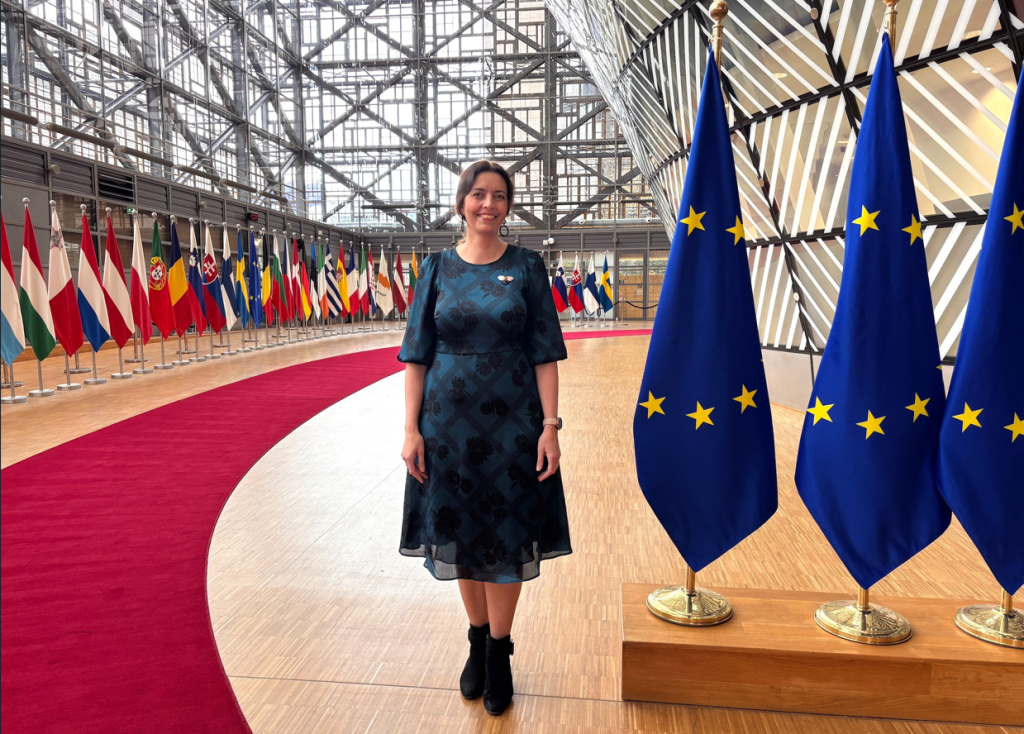
Estonia’s Minister of Social Affairs, Karmen Joller, said the new European regulation on essential medicines will help smaller member states, such as Estonia, secure supplies on more equal footing with larger countries.
“Europe’s health systems must work for all people, not only for the biggest markets. No one should be left without treatment simply because they live in a small country. Today’s agreement gives Europe a stronger ability to prevent shortages, support production within Europe, and improve access for smaller states,” she said.
One aim of the agreement is to strengthen pharmaceutical manufacturing in Europe and reduce reliance on imports – a capacity that becomes crucial in times of crisis. In negotiations, Estonia stressed that companies receiving European support should supply medicines to all member states on equal terms, including smaller countries. Although this principle is partially reflected in the draft regulation, Estonia did not obtain the strong, binding wording it had initially sought in the Council talks.
The draft regulation on essential medicines will now move to the European Parliament for further debate. To underline Estonia’s position, Minister Joller met today with Members of the European Parliament, including rapporteur Tomislav Sokol.
Alongside the EU-level agreement, Estonia, Latvia, Lithuania and Denmark signed a cooperation declaration to begin joint procurement of medicines. Denmark is among Europe’s most experienced organisers of centralised drug tenders, and its expertise is highly valuable for Estonia. By ordering larger combined volumes, smaller countries hope to become more attractive partners for manufacturers – potentially securing better prices and more reliable delivery conditions.
Brussels also hosted a meeting between the health ministers of Estonia, Latvia and Malta and the European Federation of Pharmaceutical Industries and Associations (EFPIA). The discussion focused on advancing the interests of smaller member states in improving access to medicines.
For Estonia, a long-standing challenge is that new and innovative medicines often arrive almost two years later than in major markets. In 2023, pharmaceutical companies submitted price applications for new medicines in Estonia on average 738 days later than in Western Europe. Although Estonia’s own evaluation process is fast and low-bureaucracy, this offers little benefit if manufacturers themselves delay entry into smaller markets.
Minister Joller emphasised that Estonia has already streamlined its procedures: price applications can be submitted in English, assessment methodologies have been updated, and special pathways exist for ultra-rare conditions.
Next week, Minister Joller will meet her Latvian and Lithuanian counterparts in Riga to discuss the three countries’ joint contribution to strengthening resilience during crises.

