
Mental health and psychosocial support (MHPSS) is an inevitable part of coping with crisis. Each sector has a role in crisis response with the aim of protecting and promoting people's well-being, minimizing mental distress, supporting those with previous disorders and offering mental health and psychosocial support to those who are in need. Providing this support to people in times of crises and emergencies is not strictly a matter of organizing health services or mental health treatment services, support must be integrated into every crisis-solving area by each sector. All helping efforts must be based on people's well-being and their impact on mental health. In order to move from the reactive approach to a preventive and systemic approach and to ensure the availability of the necessary help for those in need, it is important to raise awareness of MHPSS framework to make a greater impact in Estonia as well.

Speakers
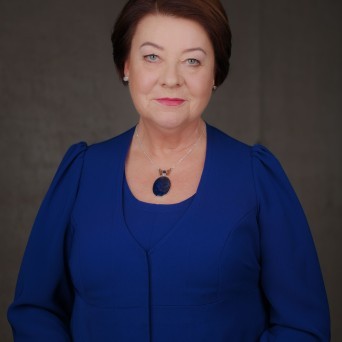
Sirje Karis, First Lady of the Republic of Estonia, graduated from the University of Tartu as an historian in 1981 and completed a master’s degree in the organization of culture at the latter between 2002 and 2010. Sirje Karis was the director of the Estonian History Museum from 2006-2018 and the director of Tartu City Museum from 2018-2022. Sirje Karis is a member of the committee for the National Identity Award of the University of Tartu, a member of the supervisory boards of the Tartu Cultural Endowment foundation and Viljandi Museum, and a contributor to the work of the archive projects committee of the Compatriots Programme.
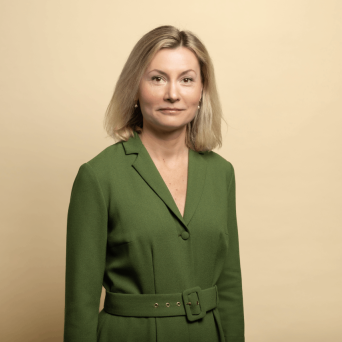
The Minister of Health of the Republic of Estonia, Riina Sikkut, graduated from the University of Tartu in 2005 with a degree in economy, in 2010, she graduated with a master’s degree in health policy from the University of London.
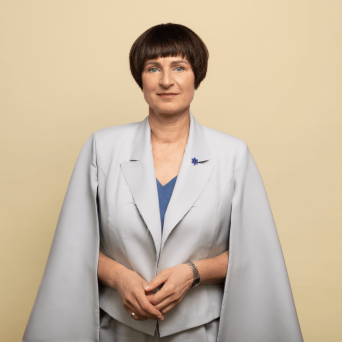
The Minister of Social Protection of the Republic of Estonia. Signe Riisalo has studied in the Faculty of Economics of Tallinn Polytechnic Institute in 1989, in Tallinn University in 1995 with a degree in social work and in the University of Tartu in 2008. She graduated from Tallinn University in 2017 with a degree in social work and undertook her postgraduate studies in social pedagogy and child protection at Tallinn University in 2017.
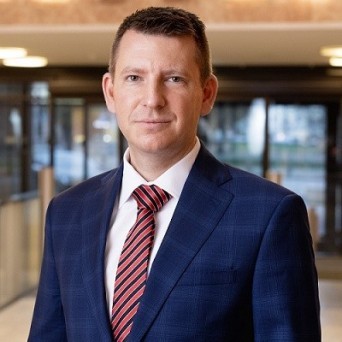
He took office as Secretary General of the Ministry of Foreign Affairs in February 2021. Before his current job, Vseviov was the Estonian ambassador to the United States since August 2018.
While working at the Ministry of Defence, he played a leading role in shaping Estonia's defence policy domestically and internationally. Jonatan Vseviov is the author of the Concept for Comprehensive Approach to Defence (2009) and the National Defence Strategy of 2010 – documents that led to significant conceptual change in organizing defence in Estonia. In 2012, he was one of the main drafters of the national defence development plan (2013–2022). He has been involved in the development of the current deterrence and defence posture of NATO, including the execution of the Enhanced Forward Presence of NATO in the Baltic States and Poland. Jonatan Vseviov has completed conscript service and is a reserve officer. He is a graduate of the Department of Political Science at the University of Tartu and has earned a master’s degree with honours in security studies from Georgetown University.
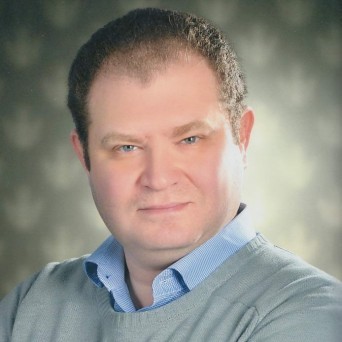
A psychiatrist from Egypt with more than 15 years of experience in mental health and psychosocial support in humanitarian emergencies. He served in several countries affected by complex emergencies, including at the WHO offices in Syria and Libya during the ongoing armed conflicts. In 2014, he moved to WHO in Geneva, where his main areas of work include providing technical assistance to countries on scaling up services and interagency coordination on mental health during humanitarian and public health emergencies. Since July 2017, Dr Hanna is representing WHO as the co-chair of the Inter-Agency Standing Committee Reference Group for Mental Health and Psychosocial Support in Emergencies. Dr Hanna is WHO HQ focal point for MHPSS response in Ukraine and affected countries.
The Director of the Psycho-Social Services and Training Institute in Cairo (PSTIC), Egypt. She received her Doctorate in Education at the University of Massachusetts, U.S.A. with a concentration in Family Therapy and Counseling Psychology. Since 1989, Dr Baron has lived and worked with emergency affected populations in conflict and post-conflict countries around the world. Her work has included consultation, assessment, program design and development, training, research and evaluation for UN organizations and international and local NGOs. In Egypt, Dr Baron founded PSTIC (a programme of Terre des hommes) in 2009. Its 200-member multinational team is primarily forcibly displaced migrants. Its unique holistic model offers home-community-based mental health, psychosocial, and protection interventions 24-7 in the urban context. Dr Baron’s related recent publications include Urban mental health and psychosocial support in Egypt in the Forced Migration Review (3-2021) and Actions for Heroes A Guide for heart-to-heart chats with children to accompany My Hero is You, How kids can fight COVID-19! (2021).
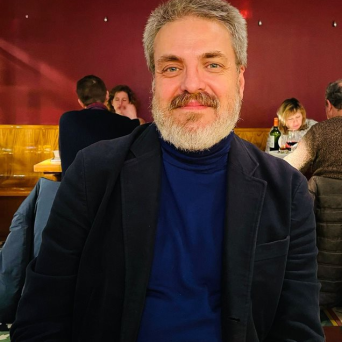
The Head of International Organization for Migration’s Mental Health, Psychosocial Response and Intercultural Communication Global Section since 2010 and as such leads a program that in 2022 has provided MHPSS to 1,5 million migrants, asylum seekers, refugees, internally displaced and emergency affected communities. Prior to his appointment as head of the IOM MHPSS Section he had worked as manager of psychosocial programs, psychosocial technical advisor and psychosocial trainer with a particular focus on vulnerable migrants, victims of trafficking and conflict affected communities in East and West Europe, the Middle East, East and West Africa, Asia and the Caribbeans. Guglielmo has trained 16,000 professionals in various facets of mental health and population mobility in 83 countries worldwide. He conceives and has co-directed the 12 editions of the annual Summer School in “Psychosocial Interventions in Migration, Emergency and Displacement”. He is the chief editor and an author of the manual on Community-Based Mental Health and Psychosocial Support in Emergency and Displacement, and has published books and articles on miscellaneous publications and scientific reviews on MHPSS interventions and migration and on the role of creative arts, drama and theatre in fostering socio-relational and cultural wellbeing.
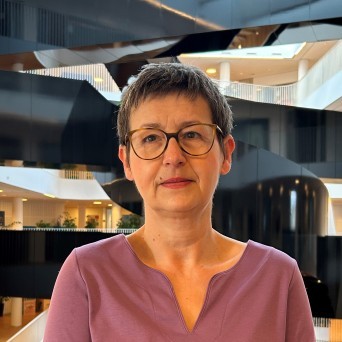
A psychologist from Bosnia and Herzegovina with over 20 years of experience in the field of mental health at the national, regional and international level. Three largest inter-country projects she has coordinated include the Mental Health Project for South-Eastern Europe, implemented under the Stability Pact’s Social Cohesion Initiative from 2002-2008, the WHO European Declaration Better health, better lives: children and young people with intellectual disabilities and their families, endorsed by the Regional Committee in Azerbaijan in 2011, and the ongoing implementation of the WHO QualityRights initiative in the European Region. As of 28 February 2022, Melita is supporting the planning and implementation of mental health and psychosocial support (MHPSS) activities in countries hosting Ukrainian refugees.
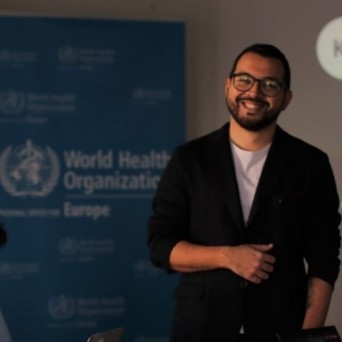
A certified MHPSS and conflict resolution professional with a bachelor’s degree in psychology from Turkiye. He has been actively involved in humanitarian responses for 10 years, specifically in mental health and psychosocial support (MHPSS) coordination and programming. He has gained extensive experience in this field through working in various contexts in South Asia, Middle East, and Europe. Currently, he serves as an MHPSS consultant for WHO Regional Office for Europe, supporting Refugee Receiving Countries (RRCs) of Ukraine response, including Czechia, Poland, Hungary, Romania, Slovakia, Moldova, and Bulgaria.
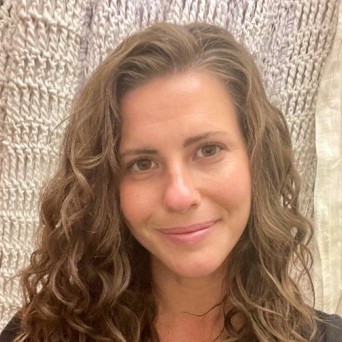
Sofia Casas is the Regional MHPSS Officer for UNHCR in Europe. She has over a decade of experience in the field of community based mental health and psychosocial support in low resource and conflict settings. The focus of her research, advocacy and work has been on providing a rights-based and resiliency informed approach to clinical and community based mental health program development and implementation. Sofia started her career as a licensed clinical art therapist, with a background in international relations and development studies, and has since worked globally as a clinician, consultant, trainer, and technical advisor, including in the United States, Kenya, South Sudan, Nepal, India, Iraq, Ethiopia, Ukraine and across Europe.

From Ukraine, but she’s been living in Tallinn for about a year now. In the city that helped restore and stabilize her emotional state. In Kyiv, she worked as a psychologist in a hospital, in a maternity hospital, now she works with children and parents from Ukraine at Estonian Education and Youth Board. “Each of us follows our own path. And it's up to everyone to decide how to look back: with gratitude or resentment or forgiveness.”

Presenter-editor working mainly in Estonian Television. Has managed or edited programs such as: "Pealtnägija", "Maahommik", "Mõistlik või mõttetu", "Kool minu kodus", "Planeedipäästjad", "Kriiside keerises" and for the last 3 years, the mental health program "Selge Pilt" has been at the heart of it. .
Another love is creative therapies, and this is also confirmed by the master's degree in art therapies from Tallinn University.
Conference materials

Mental health and psychosocial support (MHPSS)
The Inter-Agency Standing Committee (IASC) Guidelines on Mental Health and Psychosocial Support (MHPSS) in Emergency Settings (2007) provides a framework for effective MHPSS interventions during humanitarian crises. The guidelines prioritize human rights, participation and a multisectoral approach to supporting the mental health and psychosocial well-being of affected populations. The IASC MHPSS Guidelines (2007) were developed by numerous agencies and practitioners worldwide and provide essential information to organizations and individuals on how to respond appropriately during humanitarian emergencies.
The following resources are useful for implementing the IASC MHPSS guidelines (2007):
-
IASC MHPSS Minimum Service Package (2023): The MHPSS Minimum Service Package (MSP) draws on the IASC MHPSS Guidelines (2007) to identify minimum activities for the MHPSS response across sectors, and outlines key actions plan and implement those activities safely and effectively. The MHPSS MSP is designed to facilitate better coordinated, more predictable, and more equitable responses that make effective use of limited resources and thus improve the scale and quality of programming.
-
IASC MHPSS Assessment Guide (2015): The Assessment guide is useful for rapid assessments of MHPSS needs in humanitarian emergencies across different sectors. The guide is designed for use by various humanitarian actors (governmental and non-governmental; local, national and global).
-
IASC Common Monitoring & Evaluation Framework for MHPSS in Emergencies (2021): This document provides common language and understanding of MHPSS in emergency settings. The framework is designed to guide humanitarian actors in the planning, implementation, and monitoring of MHPSS interventions during emergencies.
-
IASC Handbook of MHPSS Coordination: This handbook provides standard guidance on supporting well-coordinated and multisectoral MHPSS responses that are predictable, accountable, equitable, efficient, and effective. It also outlines foundational skills and characteristics for MHPSS Technical Working Group (TWG) members and describes a set of actions for MHPSS TWGs across settings.
5. WHO Psychological First Aid (2011): This guide covers psychological first aid, which involves humane, supportive, and practical help to fellow human beings suffering serious crisis events. It is written for people in a position to help others who have experienced an extremely distressing event.
6. WHO Building back better (2013): This document provides sustainable mental health care after emergencies raises awareness about this type of opportunity, and describes how this was achieved in 10 diverse emergency-affected areas. Lessons learnt and key overlapping practices emerging from these experiences are summarized.

Essentials of MHPSS Communication
Since the beginning of the war, people in Ukraine and Ukrainian refugees have been confronted with a range of stressors: exposure to violence; separation from, or loss of, loved ones; loss of homes and belongings; poor living conditions; lack of access to adequate food and sanitation; physical injuries and illnesses; and a lack of access to life supportive services such as health and social care.
When communicating with Ukrainian nationals and those who have arrived from Ukraine as a result of the war, please remember the following:
- Avoid assuming that everyone is traumatized
- Psychological distress is common and natural
- In emergencies, people are affected in different ways and require different kinds of support
- Avoid emphasizing post-traumatic stress disorder (PTSD) in epidemiological projections
- Loss is widespread among refugees
- Children react to stressful experiences in different ways
- Do not ask people about what they have experienced unless they want to talk about it themselves
- Consider the needs of people with pre-existing mental health conditions
- Acknowledge and strengthen the agency of refugees and build on their capacity
Do not pathologize stress reactions. Instead, normalize these reactions and emphasize resilience and coping while referring the minority that need specialized mental health care for the appropriate services.
MHPSS in Estonia
Mental health and psychosocial support (MHPSS) is an inevitable part of coping with crisis (epidemic, war, mass immigration, natural disaster, etc). Each sector has a role in crisis response with the aim of protecting and promoting people's well-being, minimizing mental distress, supporting those with previous disorders and offering mental health and psychosocial support to those who are in need. Providing this support to people in times of crises and emergencies is not strictly a matter of organizing health services or mental health treatment services, support must be integrated into every crisis-solving area by each sector including healthcare, education, social system, internal security, defense, etc. All sectors, agencies and institutions can offer levels of support that contribute to promoting the mental health for people affected by an emergency including how we respond to providing for people's basic needs. Thus, all helping efforts must be based on people's well-being and their impact on mental health.
Until now, there has been no comprehensive nor systematic development of MHPSS in Estonia, therefore the implementation of MHPSS activities in times of crisis has been fragmented. At the outbreak of Russian agression in Ukraine, the Social Insurance Board arranged psychosocial crisis support service for war refugees who arrived in Estonia, the Ministry of Social Affairs organized pastoral care counseling, the Estonian Association of Psychologists brought together and offered support to psychologists who arrived from Ukraine, some local governments also started offering mental health services to war refugees, etc. Thus, aid was provided, but primarily on a reactive basis.
In order to move from the reactive approach to a preventive and systemic approach and to ensure the availability of the necessary help for war refugees, the Ministry of Social Affairs has mapped the competencies and resources of MHPSS service providers of various organizations in the healthcare, social and educational sectors. The mapping was done using the IASC (Inter Agency Standing Committee) MHPSS 4Ws adapted questionnaire, which provides comprehensive information on who is where, when, doing what. The collected information has helped to identify the gaps in the MHPSS response and to improve the coherence of activities. Based on the mapping results and discussions with various organizations and local governments, a support measure for the provision of mental health services and community support to war refugees was opened for 2023. In cooperation with international organizations, the development of Estonian MHPSS system continues.

For any questions, kindly contact:
Katrin Aarma
Advisor, Mental Health Department
Ministry of Social Affairs
[email protected], +372 514 2355
Laura Sarv
Technical and Administrative Support, Mental Health Department
Ministry of Social Affairs
[email protected], +372 5197 1132
Last updated: 14.07.2025

